
The evolution of gambling through the ages a historical perspective
The Origins of Gambling
The practice of gambling can be traced back thousands of years to ancient civilizations. Archaeological evidence suggests that various forms of gambling were prevalent in societies such as the Chinese, Egyptians, and Greeks. The earliest known gambling artifacts include dice made from animal bones, dating back to around 3000 BC. These primitive games often revolved around luck and chance, laying the groundwork for the gambling we recognize today. If you’re interested in exploring more about the top options available today, try here to find your preferred gaming experiences.
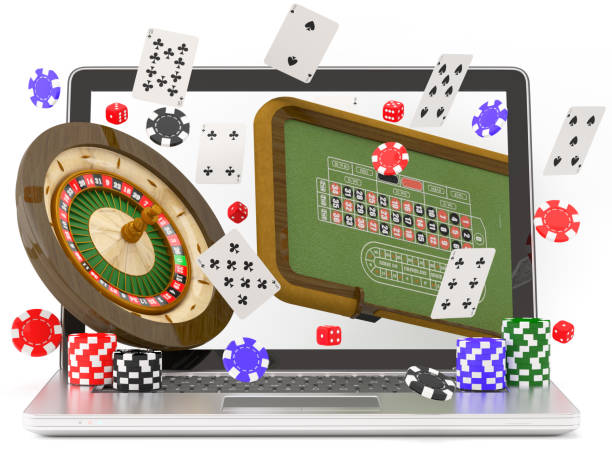
In ancient Rome, gambling became a popular pastime among citizens. Games involving dice, betting on chariot races, and early versions of card games emerged. While it was often viewed with disdain by some leaders, gambling persisted and evolved, reflecting the cultural attitudes of the time. As societies advanced, so did the complexity and variety of gambling activities.
The Rise of Casinos and Organized Gambling
The modern casino as we know it began to take shape in the 17th century in Italy. The establishment of the first legal gambling houses marked a significant turn in the history of gambling. These establishments attracted wealthy patrons who were willing to wager on various games. The popularity of these venues spread across Europe, evolving into the luxurious casinos found in cities like Monte Carlo and Las Vegas today.
As gambling gained acceptance, various games were standardized and refined. The introduction of games like poker, blackjack, and roulette revolutionized the gambling landscape. These developments not only made gambling more structured but also more appealing to the masses, leading to an increase in casino establishments worldwide.
The Impact of Technology on Gambling
The advent of technology has had a profound impact on the gambling industry, particularly in the last few decades. The introduction of electronic gaming machines in the late 20th century transformed the experience in casinos, making it more accessible and entertaining. Players could now enjoy a variety of games with the push of a button, leading to a surge in casino revenues and participation.
The rise of the internet further revolutionized gambling, giving birth to online casinos and betting platforms. This digital shift has allowed players to engage in gambling from the comfort of their homes, vastly expanding the audience and accessibility of gambling. Today, mobile apps and live-dealer games continue to push the boundaries of how people experience gambling, merging traditional elements with modern technology.
The Regulation and Social Aspects of Gambling
As gambling grew in popularity, so did the need for regulation. Governments worldwide began to recognize the economic potential of gambling while also addressing the social concerns associated with it. Regulatory frameworks emerged, aimed at protecting consumers and ensuring fair play. Countries differ in their approach to gambling laws, with some embracing it as a source of revenue and others imposing strict restrictions.
Social attitudes toward gambling have also evolved. While it was once seen as a vice, there has been a gradual shift toward recognizing gambling as a legitimate form of entertainment. However, this change has brought challenges, such as gambling addiction and its societal impacts. Today, various organizations work to promote responsible gambling, ensuring that the practice remains enjoyable for all without leading to negative consequences.
Exploring Modern Gambling Platforms
In today’s digital age, platforms that offer gambling opportunities have become increasingly sophisticated. For example, modern online casinos provide a plethora of games, including slots, table games, and live dealer options. These platforms cater to players’ preferences, offering various payment methods and user-friendly interfaces that enhance the gaming experience.
Moreover, advances in technology have enabled the integration of secure payment methods, such as digital wallets and cryptocurrencies, making transactions faster and safer. Players can now enjoy the convenience of instant deposits and withdrawals, further enriching their gaming experience. As the gambling industry continues to evolve, these platforms are committed to providing safe, entertaining, and innovative options for players around the world.